
Why Every Serious Jeep Owner Needs a Winch
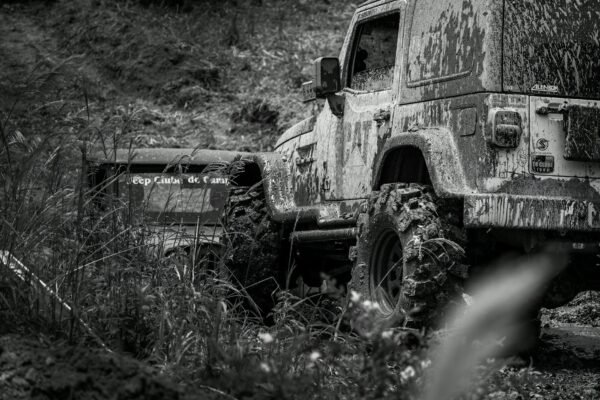
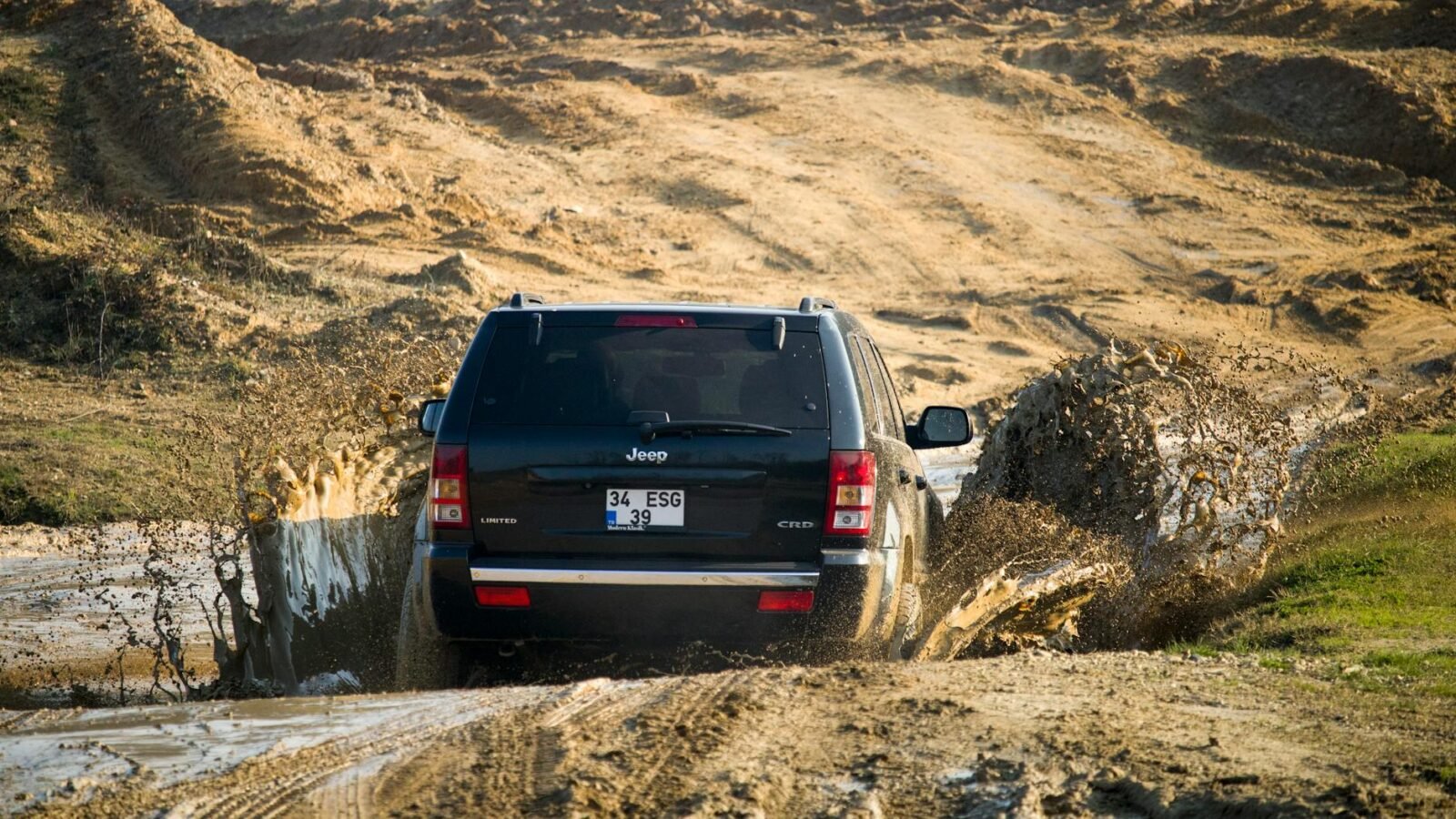
You’ve aired down the tires, locked the hubs, and you’re an hour deep into a trail you’ve never run before. Then it happens — a rear tire drops into a rut, the front slides wide, and suddenly your Jeep is high-centered on a rock shelf with no traction anywhere. This is exactly why a winch isn’t optional gear for serious trail rigs. It’s the tool that gets you home when everything else fails.
I’ve run trails across the Rockies, the desert Southwest, and the Pacific Northwest, and I’ve needed a winch more times than I care to admit. I’ve also watched plenty of guys on the trail without one sit and wait for someone else to pull them out. Don’t be that guy. In this guide I’m going to break down how to pick the right winch for your Jeep, how to mount it properly, and — most importantly — how to actually use it when things go sideways.
If you’re still building out your recovery kit beyond the winch itself, check out our top 10 recovery gear items roundup for everything you should have on board before hitting a serious trail.
Understanding Winch Capacity: The 1.5x Rule
The single most important spec on any winch is its rated pulling capacity, measured in pounds. The general rule of thumb you’ll see everywhere is to buy a winch rated at 1.5 times your vehicle’s gross vehicle weight rating (GVWR). For a stock Jeep Wrangler JL with a GVWR around 5,000–5,500 lbs, that puts you at needing roughly an 8,000–9,000 lb winch at minimum.
But here’s the thing — if your Jeep is lifted, running 35s or larger, loaded up with a full overland kit (roof tent, bumper, spare, water, recovery gear), your actual trail weight is considerably higher. A well-built overland Wrangler can easily tip 6,500–7,000 lbs loaded. Factor in the 1.5x multiplier and now you’re looking at a 10,000–12,000 lb winch to be properly equipped.
My personal recommendation for most Jeep Wrangler and Gladiator builds: don’t go below a 10,000 lb winch. The cost difference between an 8,000 lb and a 10,000 lb model from the same brand is usually $50–100, and having the extra capacity matters when you’re pulling from a bad angle, the mud is deep, or you’re using a tree saver that puts you 15 feet from the anchor point.
Single-Line vs. Double-Line Pulling
One thing many new winch owners don’t understand is that the rated capacity on the drum is only valid for the last wrap of rope on the drum — when the drum is nearly empty. As you wind rope onto the drum in subsequent layers, pulling capacity actually decreases. Here’s the breakdown for a typical 10,000 lb winch:
- Layer 1 (drum nearly empty): ~10,000 lbs
- Layer 2: ~8,500 lbs
- Layer 3: ~7,400 lbs
- Layer 4 (drum nearly full): ~6,500 lbs
The lesson: always try to pull with as little rope on the drum as possible. Run the line out as far as it’ll go before you start winching. And for truly stuck situations — axle-deep in mud, pinned sideways on a hillside — use a snatch block to create a double-line pull. A snatch block essentially halves the load on your winch motor while doubling the pulling force, which means you’re now getting 16,000–20,000 lbs of effective pull from a 10,000 lb winch. Every recovery kit should include at least one rated snatch block.
Steel Cable vs. Synthetic Rope: Don’t Buy Steel
This debate was settled years ago — synthetic rope wins, full stop. If you’re shopping a winch that comes standard with steel cable, budget an extra $80–150 to swap it out for synthetic before you ever spool it up.
Here’s why synthetic rope is better in every way that matters on the trail:
- Safety: When steel cable fails under load, it snaps back with lethal energy, like a giant razor whip. Synthetic rope fails more gently and drops to the ground — still dangerous, but not decapitation dangerous.
- Weight: A 100-foot length of synthetic is roughly 1/3 the weight of equivalent steel cable. Less weight at the front bumper, easier to handle.
- Handling: You can pack synthetic rope by hand without work gloves. Try that with steel cable after the frayed ends have drawn blood once or twice.
- Recovery after kinking: Steel cable kinks and becomes permanently damaged. Synthetic can be kinked, looped, even driven over without lasting damage.
The one real downside is UV degradation over time. Inspect your synthetic rope annually, rinse it after muddy recoveries, and replace it every few years of heavy use. A quality 100-foot, 3/8-inch synthetic rope runs $80–130 and is worth every penny.
Top Winch Brands Worth Buying
There’s no shortage of cheap winch brands flooding the market, and plenty of them will work fine until the moment you actually need them. Here are the brands I’d trust with my rig:
Warn Industries
Warn is the gold standard and has been since the 1950s. Their ZEON and VR EVO series are built for real-world abuse, backed by excellent customer support, and widely available for parts. The Warn ZEON 10-S (10,000 lb, synthetic, ~$700–800) is the benchmark. The Warn VR EVO 10-S (~$400) is the budget-friendly option that still delivers real Warn quality. If you’re going to buy once and never think about it again, buy Warn.
Smittybilt X2O
Smittybilt’s X2O series offers legitimate waterproofing (IP67 rated) at a mid-range price point (~$350–450). These are popular in the off-road community because the waterproofing holds up in real water crossing conditions and the synthetic rope version is solid. Not Warn-level bulletproof, but genuinely capable gear at a more accessible price.
Mile Marker
Mile Marker makes both electric and hydraulic winches. Hydraulic winches are overkill for most Jeep owners but are worth knowing about if you’re building a true expedition rig that needs to run continuously without overheating. For everyday trail use, their electric units are well-regarded.
Budget Brands to Avoid
You’ll see names like Badlands, X-Bull, and Superwinch (entry-level models) on sites like Harbor Freight and Amazon. I’ve seen Badlands winches fail during the first recovery attempt, seize up from mild water exposure, and strip their freespool clutch on the third use. The trail is not the place to find out your winch doesn’t work. Buy quality once.
Mounting: Bumper and Winch Plate Compatibility
A winch is only as good as what it’s bolted to. Stock Jeep bumpers are not designed to handle winching loads — you need an aftermarket steel front bumper with a built-in winch mount, or a dedicated winch plate rated for your winch’s capacity.
Winch Mounting Plate Dimensions
Most electric winches use one of two standard bolt patterns:
- SAE 10″ x 4.5″ (10-bolt): Standard for most winches up to 16,500 lbs
- SAE 15″ x 6″ (10-bolt): Used on heavy-duty winches above 16,500 lbs
Verify your bumper’s mounting pattern matches your winch before buying. Most quality aftermarket Jeep bumpers (ARB, Smittybilt, Poison Spyder, Rough Country, GenRight) use the standard SAE 10″ x 4.5″ pattern. Measure twice, buy once.
Electrical System Requirements
A winch under load pulls serious amperage. A 10,000 lb electric winch can draw 400–500 amps at peak. Your factory Jeep wiring and ground straps are not up to that task.
At minimum, you need to:
- Run a dedicated power cable from your battery directly to the winch (use minimum 2-gauge cable, 1/0 gauge is better)
- Add a quality ground cable from the winch to the frame
- Consider upgrading your battery to an AGM or lithium unit rated for high-discharge applications
- Run a secondary ground from the battery negative to the frame and body in multiple points
A winch that starves for current will overheat, perform below rated capacity, or simply die mid-recovery. Don’t cheap out on the wiring job.
Essential Winch Recovery Gear
The winch is just the centerpiece. Here’s what you need in your bag to actually use it safely:
- Tree Saver Strap: A 3″ x 8′ tree saver lets you anchor to a tree without damaging the bark or concentrating load on the rope. Never wrap your winch line directly around a tree.
- D-shackles (bow shackles): Minimum two rated at 4.75-ton capacity. Pin them and wire them so they can’t back off under load.
- Snatch Block: Essential for double-line pulls and changing direction. Get one rated above your winch capacity — CMC makes excellent options.
- Winch Dampener: A canvas strap or blanket you drape over the winch line mid-span. If the rope snaps, the dampener absorbs energy and kills the recoil. Non-negotiable safety item.
- Recovery Gloves: Heavy leather or cut-resistant work gloves. You will handle the rope under tension and need to guide it onto the drum. Never touch a loaded rope without gloves.
- Ground Anchor: For situations with no trees, a Pull-Pal or manual ground anchor driven into the earth gives you something to pull from.
Step-by-Step: How to Winch Yourself Out
Theory is one thing; knowing the sequence when your adrenaline is spiked and you’re axle-deep in a mudhole is another. Here’s the process I use every time:
- Assess the situation. Where do you need to go? What’s the best anchor point? Never just start winching in random directions — you can make a stuck situation dramatically worse.
- Disengage the freespool clutch (put the winch in freespool mode) and pull out enough rope by hand to reach your anchor point with several feet of slack to spare.
- Set your anchor. Use the tree saver around a tree, shackle to a recovery point on another vehicle, or set a ground anchor. Never attach to bumpers, tow balls, or axles.
- Connect your winch hook to the anchor via a D-shackle. If double-lining, thread the rope through the snatch block attached to the anchor, run it back to a static point on your rig.
- Place the winch dampener on the rope midspan before tensioning anything.
- Clear the area. Everyone stands behind cover — at a 90-degree angle from the rope’s path, behind a tire, behind another vehicle. Never stand in line with a rope under load.
- Re-engage the clutch (exit freespool mode), take up slack slowly. Confirm all connections look clean before applying real load.
- Winch in short bursts. Run 10–15 seconds, pause to let the motor cool, check connections. Continuous winching overheats the motor fast — especially in mud where you’re fighting constant resistance.
- Assist with the throttle if possible. Winching while applying gentle throttle in the intended direction reduces load on the winch and speeds the recovery.
- Re-spool the rope properly. Drive the rope onto the drum under light tension with even wraps. A poorly spooled rope is dangerous and damages the synthetic.
Remote Control: Wired vs. Wireless
Most winches ship with a wired remote on a short cable. It works, but being tethered to your winch when you’re trying to guide the rig over an obstacle is genuinely annoying. Aftermarket wireless controllers — Warn makes a good one, and there are reliable third-party options — let you stand back, see the whole situation, and operate the winch hands-free. If your winch doesn’t include wireless, budget $50–100 for an aftermarket unit. The added situational awareness is worth it.
Maintenance: Keep Your Winch Ready
A winch that sits unused for months in a dusty garage or under constant mud and water abuse will fail when you need it most. A simple maintenance routine keeps yours reliable:
- After every water crossing: Run the winch under light load for 30 seconds to pump water out of the motor.
- After muddy recovery: Rinse the synthetic rope with clean water, let it dry before re-spooling if possible.
- Annually: Inspect the rope for abrasion, UV damage, or fraying. Check all electrical connections for corrosion. Grease the drum shaft; if you’re running a roller fairlead with steel cable, keep the rollers lubed — synthetic rope users should have a hawse fairlead that just needs a wipe-down.
- Inspect under load: Periodically spool out the rope and run the winch under light tension so you know the motor, clutch, and controls are all working before you need them.
Putting It All Together
The right winch for most Jeep Wrangler and Gladiator builds is a 10,000–12,000 lb electric winch with synthetic rope, mounted to a quality steel bumper with proper wiring. Warn and Smittybilt X2O are the go-to brands at their respective price points. Pair it with a snatch block, tree saver, rated shackles, and a dampener, and you have a real self-recovery system.
Remember: a winch is a force multiplier, not a replacement for good judgment on the trail. Airing down, knowing your limits, and picking your lines correctly keeps you out of trouble in the first place. But when trouble finds you anyway — and it will — your winch is the piece of gear that turns a serious situation into a story you tell over camp coffee instead of a tow bill.
Speaking of which, if you’re planning a multi-day run and want to dial in the whole rig setup, the Overlanding 101 Jeep setup guide covers everything from water storage to sleep systems. And before you even leave the trailhead, don’t skip the tire pressure and portable compressor guide — getting your PSI right is the first line of defense before your winch ever needs to leave the bumper.
Stay safe out there, pick smart lines, and keep that rope inspected. The trail will always be there — make sure you are too.